Interviews
From Jollof to Joy – Chisom Chieke on Culture, Comedy and the Black Diaspora in ‘Food for the Soul’.

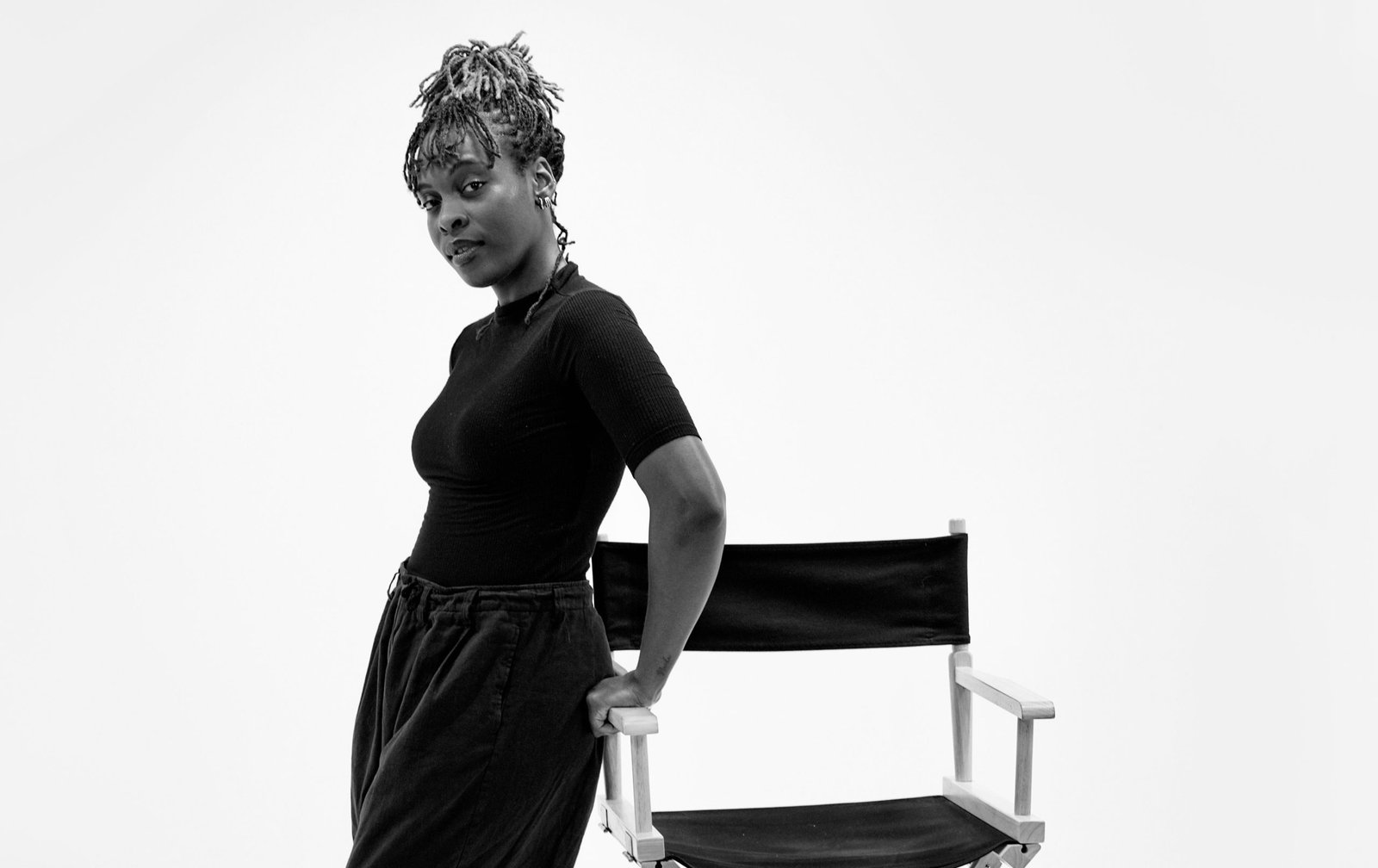
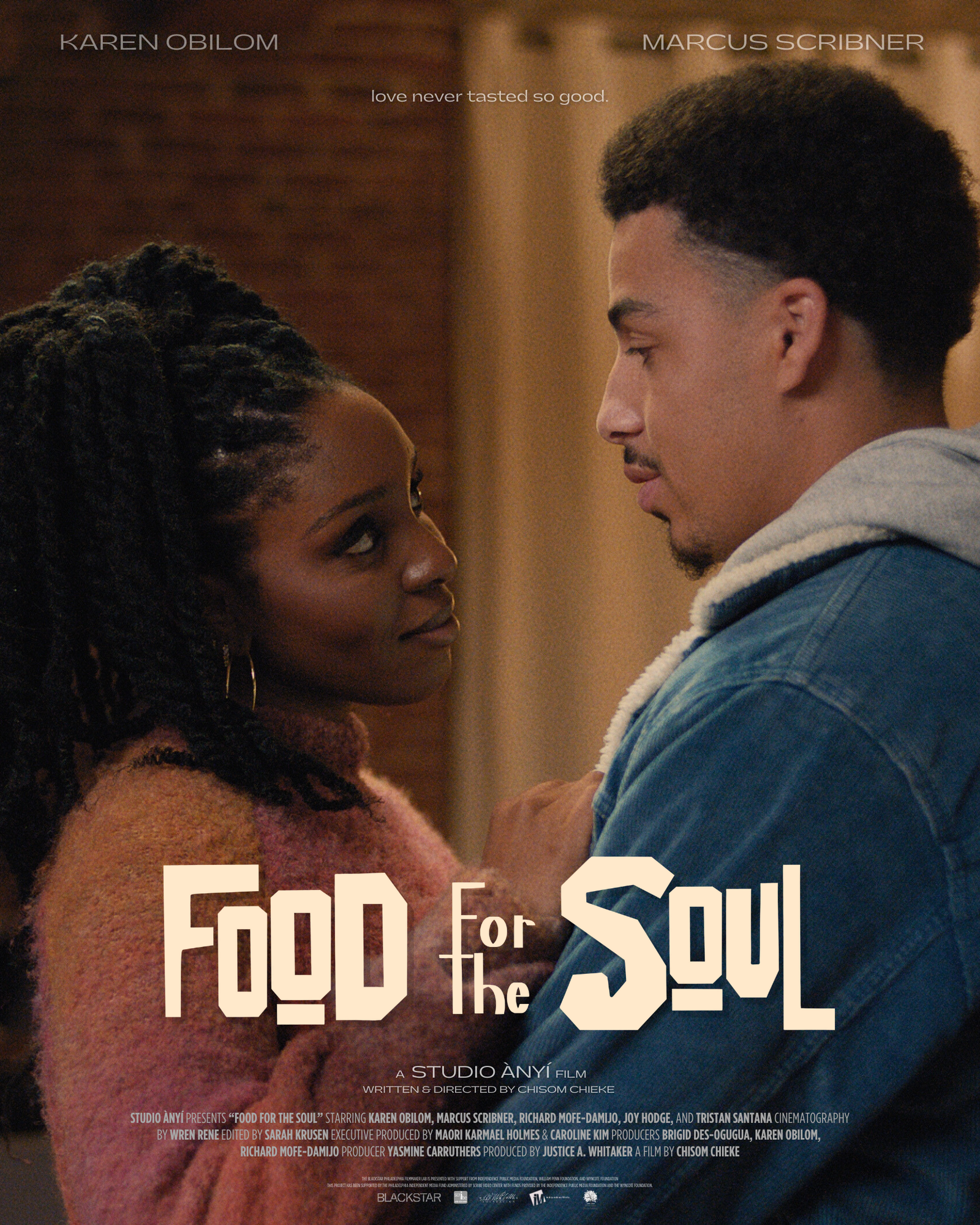
At a time when stories from the African diaspora are reshaping global cinema, filmmaker Chisom Chieke is carving out a voice that is both deeply personal and profoundly universal. Her award-winning short film, Food for the Soul, uses romance, humour, and the familiar warmth of a family kitchen to explore identity, belonging, and the often-unspoken tensions that exist within the Black diaspora. Drawing from her own experiences as the daughter of Nigerian immigrants, Chieke crafts a story that celebrates culture without romanticising it, inviting audiences to laugh, reflect, and recognise pieces of themselves in Ada’s journey. In this conversation, she speaks about honouring her heritage, collaborating with Nollywood icon Richard Mofe-Damijo, the power of authentic representation, and why the smallest cultural details often carry the greatest emotional weight.
-
Chisom Chieke, what has the journey been for you as a filmmaker of African descent in the diaspora?
Chisom: My journey as a filmmaker has been one of leaning on my culture and community for strength while developing a strong enough sense of self to choose paths that are often less traveled. As the child of Nigerian immigrants, I carry my ancestors with me. Their stories, resilience, sacrifices, triumphs and creativeness remind me that I stand on their shoulders, and that perspective has given me the courage to choose art and the vulnerability of being seen, even when there have been more conventional paths I could have taken. I believe their voices live on through my work, guiding me as I tell stories about family, identity, actualization, love and the connections that bind us across generations.
-
Food for the Soul’ explores a relationship between a Nigerian American woman and her Black American partner. What made this particular dynamic the story you felt compelled to tell?
Chisom: This story felt important to tell because it’s a relationship dynamic that I’ve witnessed within my multicultural family, experienced personally, and had countless conversations about. For years, conversations around the Black diaspora and “diaspora wars” have been topics in our communities, whether in media, online, at family gatherings, or among friends. Beneath all of that discourse are real people trying to understand one another, build relationships, and navigate different histories and cultural experiences. I was inspired to explore what that looks like through the lens of intimate relationship. Humor felt like the perfect entry point because it allows us to lower our defenses, laugh at ourselves, and maybe leave with a little more curiosity and empathy for one another.
-
Food has long been a symbol of love, tradition, and identity across many African cultures. How important was it for you to represent this, not just in the titling of your film but in the actual storytelling?
Chisom: Thank you for this question because it’s actually one I haven’t been asked before. I think food is incredibly important to culture and sense of belonging. Growing up as a Nigerian American, I rarely saw the food I ate at home represented on screen. I grew up seeing so many other cultures express love, family, and tradition through food, but I didn’t see much of Nigeria reflected in mainstream film and television. That’s changed over the years, thankfully, and I wanted Food for the Soul to be another contribution to that growing canon.
It was important to me that the food wasn’t just a prop. I wanted audiences to experience the process of making jollof rice, even if only through glimpses of the ingredients and the preparation. Having our food stylist, Sammie Oputa, was invaluable. Of course, we weren’t actually making jollof rice on set, but I wanted someone who knew exactly what the stew should look like after it’s been simmering for a while. The red residue around the edges of the pot. The squeezed tomato paste and Maggi cubes on the counter. Those are the details that make a Nigerian kitchen feel genuine and familiar.
To me, authenticity exists in those small details. They may go unnoticed by some audiences, but for many, they’d say, “I know this place. I’ve been here.” That’s the kind of representation I wanted to create.
-
Ada is caught between family expectations and her own desires. Many first- and second-generation Africans continue to navigate through this even today. What role do you think films like yours can play in helping to fix this?
Chisom: I’ve had so many first-generation people, and really children of immigrants more broadly, tell me how much they relate to Ada. That has been one of the most rewarding parts of sharing the film.
But I don’t think it’s a film’s job to fix people or solve these challenges. I think its role is to help people feel seen and maybe give them language for experiences they’ve struggled to articulate. Sometimes that’s enough to start a conversation with a parent, a sibling, a partner, or even with yourself.
Everyone’s journey is different. Maybe someone leaves the film feeling more confident expressing what they truly want from their life. Maybe someone walks away with a little more empathy for the expectations their parents were carrying. My hope is simply that the film creates space for those conversations to happen. If it can do that, then I think it’s done its job as a piece of art.
-
Also, how did you approach portraying the film’s themes without reducing any culture to stereotypes?
Chisom: I approached it by trying to make every character feel like a real person before they became representative of any culture. The humor really comes from specific experiences. I wanted the jokes to feel like the kinds of conversations families and friends actually have.
At the same time, I wasn’t interested in pretending that issues like colorism, classism, or cultural bias don’t exist. Nearly all major diasporic communities experience colorism and classism due to colonial traumas, capitalism, and social stratification. If certain moments sting, I think it’s because they touch on truths that many of us recognize. My hope wasn’t to reinforce those ideas, but to invite audiences to laugh, reflect, and ask themselves why those moments feel so familiar. That’s where I think meaningful conversation begins.
-
Were there any particular filmmakers or visual styles that influenced how you approached the comedy?
Chisom: I re-watched a ton of my favorite Black romantic comedies while getting ready for production, but the film that really stuck with me was Mississippi Masala. It’s not a comedy, but I was really drawn to how Dir. Mira Nair captured the experience of the diaspora with so much care and warmth. The film just stays with you and I knew I wanted Food for the Soul to leave people with that same kind of feeling. I also kept going back to Insecure, especially Season 4, Episode 8, “Lowkey Happy,” directed by Ava Berkofsky. I watched that episode way too many times. I loved how much emotion between Issa and Lawrence she was able to communicate without anyone saying anything. It reminded me that sometimes where you place the camera, or where you place two people in a frame, can say more than the dialogue. I definitely carried that with me into the final scene between Ada and Trey.
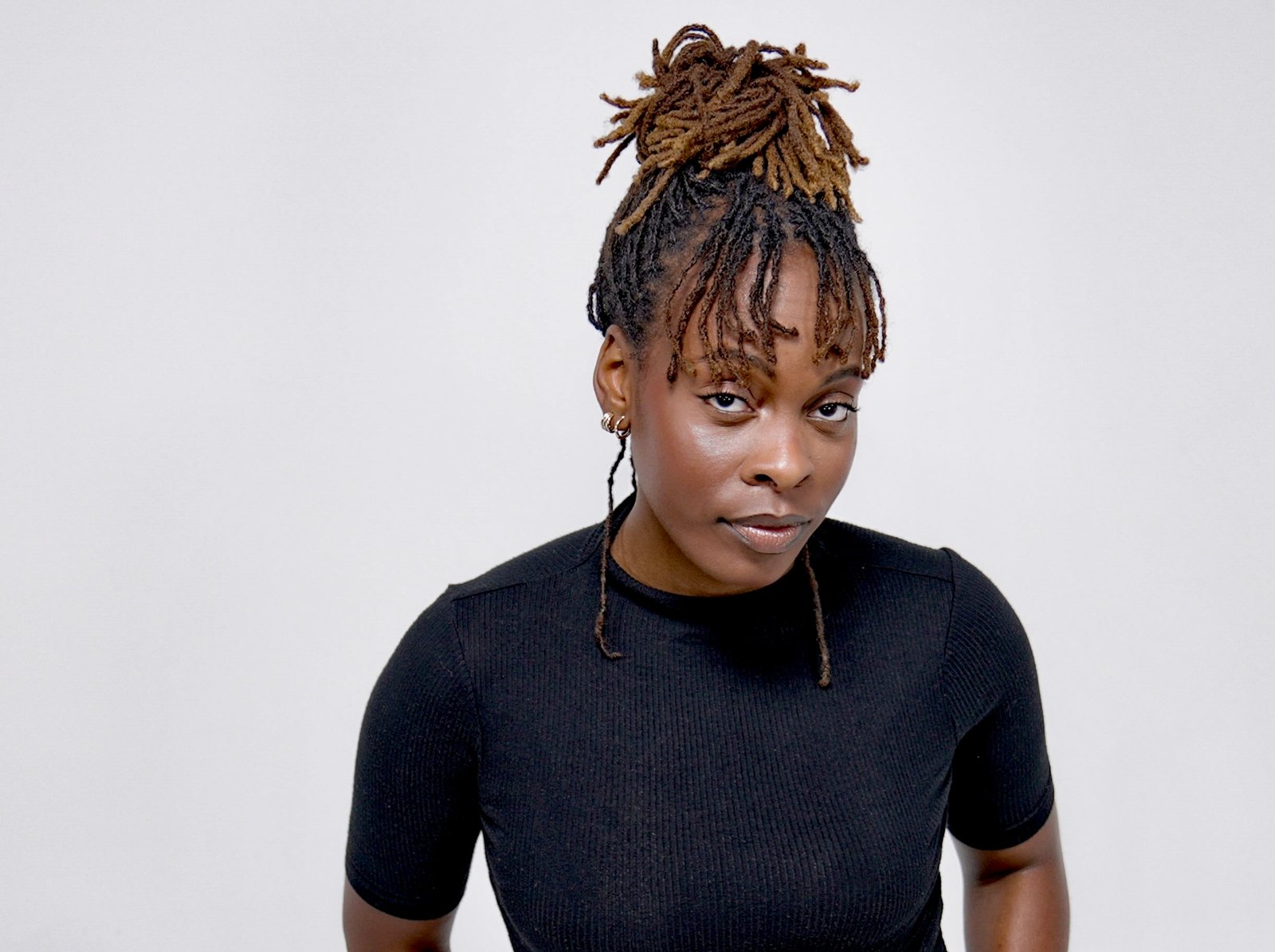
Chisom Chieke
-
Each of your actors brings distinct energies to the film. What qualities were you looking out for during the casting process?
Chisom: I was really looking for balance. Ada is carrying so much throughout the film, so I knew Trey needed to bring a sense of lightness that could naturally pull her out of her own head and not because he has all the answers, but because that’s just who he is.
Karen and Marcus both have this incredible ability to move between comedy and drama without it ever feeling forced. That was really important to me because this film asks them to do both. They make each other better on screen, and from the moment we started working together, their chemistry just felt right. Honestly, they were my dream pair to bring Ada and Trey to life.
-
Richard Mofe-Damijo is one of Nollywood’s and Africa’s most celebrated actors. What was it like working with him on this film both creatively and culturally?
Chisom: Working with Uncle Richie was such a gift. He’s so grounded and generous as an artist. I honestly expected someone of his stature to come in with a very fixed way of working, but he was so collaborative and open throughout both pre-production and production. He was always looking for what would best serve the story.
Outside of that, he’s just a genuinely cool person. He made everyone around him feel comfortable, and you could see why he’s had such an incredible career. The fact that he really connected with the film meant a lot to me. As someone who grew up watching him, getting to direct him was already surreal. Knowing he believed in the story we were telling made the experience even more special.
-
Looking back at some of the challenges you faced whilst making this film, what did those obstacles ultimately teach you as a filmmaker?
Chisom: More than anything, I learned the value of working with people who genuinely believe in the project and in each other. I was incredibly fortunate to make this film with a community of collaborators here in Philadelphia. There was already so much trust and rapport between us, which gave me the confidence to take creative risks and focus on directing instead of worrying about whether everyone was pulling in the same direction.
I know I won’t always get to choose or know every person I work with so well, but this film taught me the kind of environment I want to help create. Talent is important, of course, but so are curiosity and trust. Those qualities make it so much easier to execute a vision, especially on an independent film where everyone is wearing multiple hats.
-
The African diaspora is incredibly diverse. What do you hope viewers take away from Ada’s journey?
Chisom: I always remind myself that what people take from the story is truly up to them. But if anything at all, I just hope people laugh and see Ada as someone they can have compassion for and be inspired by. Maybe she’s a sister, a friend, a daughter, a partner, or maybe they see a little bit of themselves in her. At the end of the day, she’s just a person trying to figure things out, and I think that’s something many of us can relate to.
-
Likewise, for someone unfamiliar with Nigerian culture, what do you hope that they learn from this film?
Chisom: I think it’s a universal story told through a culturally specific lens. Yes, the film explores the dynamic between Nigerian Americans and Black Americans, but at its heart, it’s really about relationships.
I hope people leave reminded of the importance of tuning into themselves first. Learning how to regulate our emotions, listen with intention, and show up as our most authentic selves. I think that’s what invites the kind of love, connection, and experiences we’re all looking for. If the film also leaves audiences with a deeper appreciation for the diversity that exists within the Black diaspora, then that’s a beautiful bonus.
-
African cinema is increasingly gaining global recognition, while diaspora filmmakers are bringing new perspectives to those stories. As one of those voices, what’s next for you after Food for the Soul?
Chisom: Well, I’m hoping to bring the feature film version of Food for the Soul to the big screen next. In the feature script, we get to spend so much more time with Ada and Trey, watching their relationship grow while getting to know the families and community around them in a much deeper way. I’m really excited about where their story goes.
I’m also developing a few other projects that continue asking questions about identity, connection, and the stories we inherit. One of them is an Afrofuturistic-fantasy animated series inspired by Igbo cosmology that my brother, Chidera Chieke, and I have been developing together. It draws connections between Igbo spiritual traditions and Black American folklore, particularly stories of flying people, to imagine a new mythology that speaks across the Black diaspora.
I’m so grateful and excited to keep telling stories that are deeply rooted in culture while inviting people from all backgrounds into the conversation.
-
Lastly, on a lighter note. Ghana Jollof or Nigerian Jollof? Which is Food for the Soul?
Chisom: As a Nigerian and lover of Nigerian food, I will have to say Nigerian Jollof…But if you ask Ada, she may say Ghana Jollof.
Throughout our conversation, one thing becomes abundantly clear: Chisom Chieke isn’t simply telling stories about the African diaspora; she’s expanding the way those stories are seen, understood, and experienced. Whether through the comforting familiarity of a pot of jollof rice, the complexities of family expectations, or the quiet search for one’s authentic self, Food for the Soul reminds us that the most meaningful stories often begin at home before resonating across cultures. As she looks ahead to bringing the feature-length version of the film to audiences and developing new projects rooted in Igbo cosmology and Black diasporic mythology, Chieke is proving that the future of African and diaspora cinema lies not just in representation, but in the courage to tell deeply personal stories that invite the world to the table.