Featured Articles
The Quiet Revolution of Lande Yoosuf through Arts Showing Ancestry, Genre, and the New Nigerian Diaspora
Lande Yoosuf is part of a new wave of Nigerian diasporic creatives who use genre storytelling to carry women-centred narratives from New York to global spa

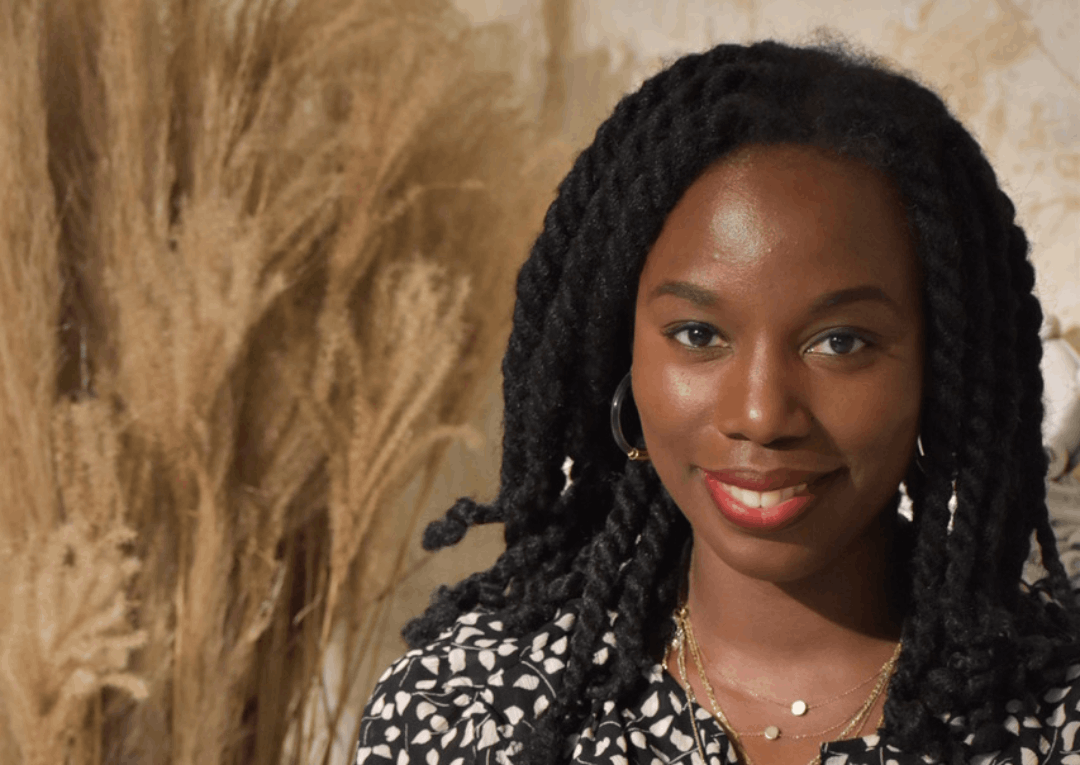
There is a specific kind of magic that happens when a filmmaker stops trying to explain their culture to the world and starts simply living in it. For Lande Yoosuf, that magic isn’t just metaphorical. She keeps it literal, ancestral, and deeply rooted in the soil of both Brooklyn and Lagos.
Through her work, she is currently carving out a vital space where Nigerian diasporic identity, women-centered narratives, and genre storytelling meet. Her recent short film, ‘White Agbada‘ which was released in 2025, is more than just a beautifully shot project. It is proof that a new wave of creatives is fundamentally reshaping how global audiences engage with African stories. They are moving away from the cliche narratives like “poverty porn” or the strictly “immigrant struggle” tropes of the past. They are being more deliberate and intentional at leaning into the speculative, the spiritual, and the surreal.
When you look at the trajectory of this Nigerian-American filmmaker, writer, and producer, you see a clear mission. Lande Yoosuf uses “genre” supernatural, speculative, and dramatic forms to tell stories that feel like a secret whispered between sisters. Like tales shared between close friends casually over drinks.
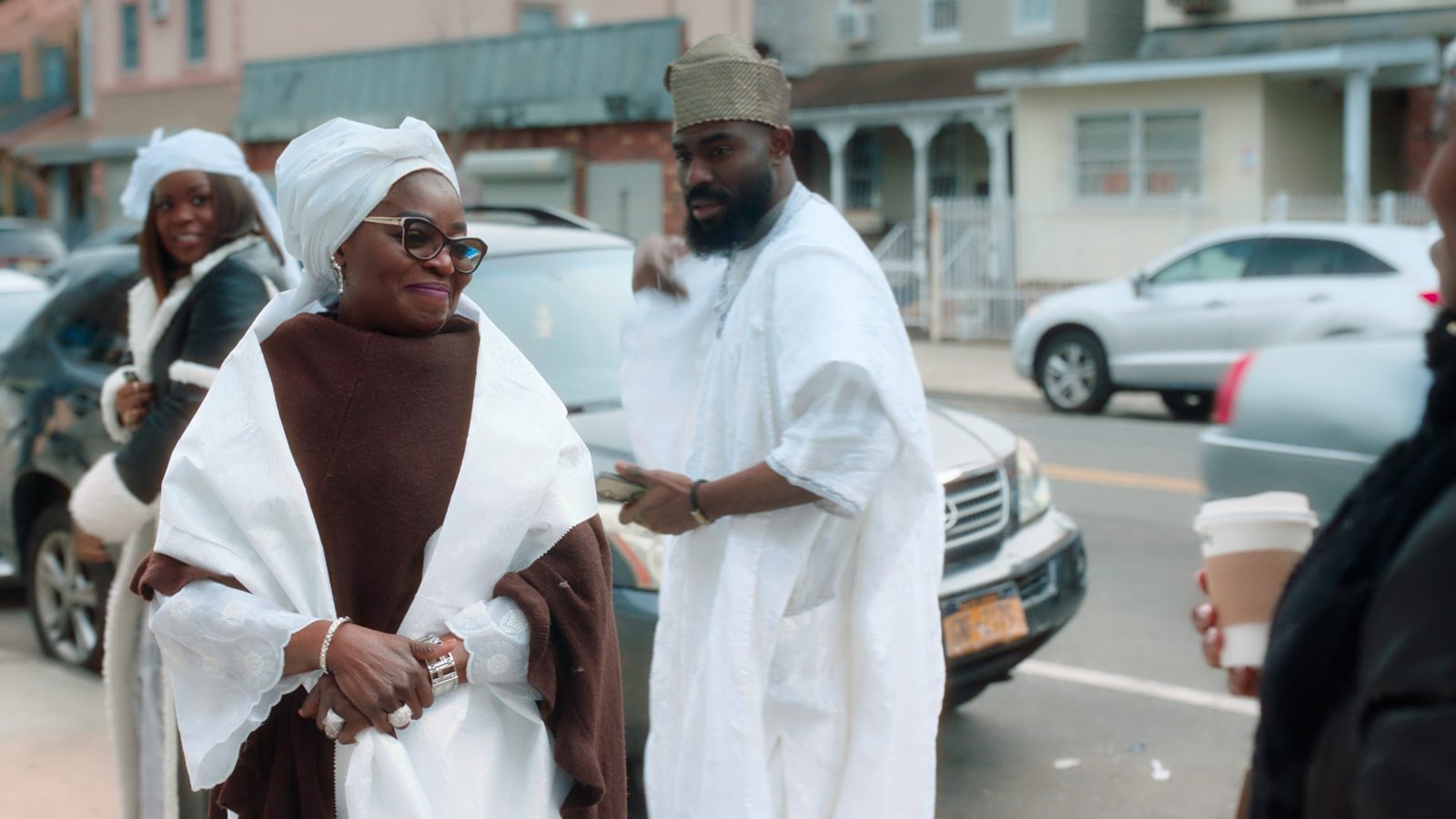
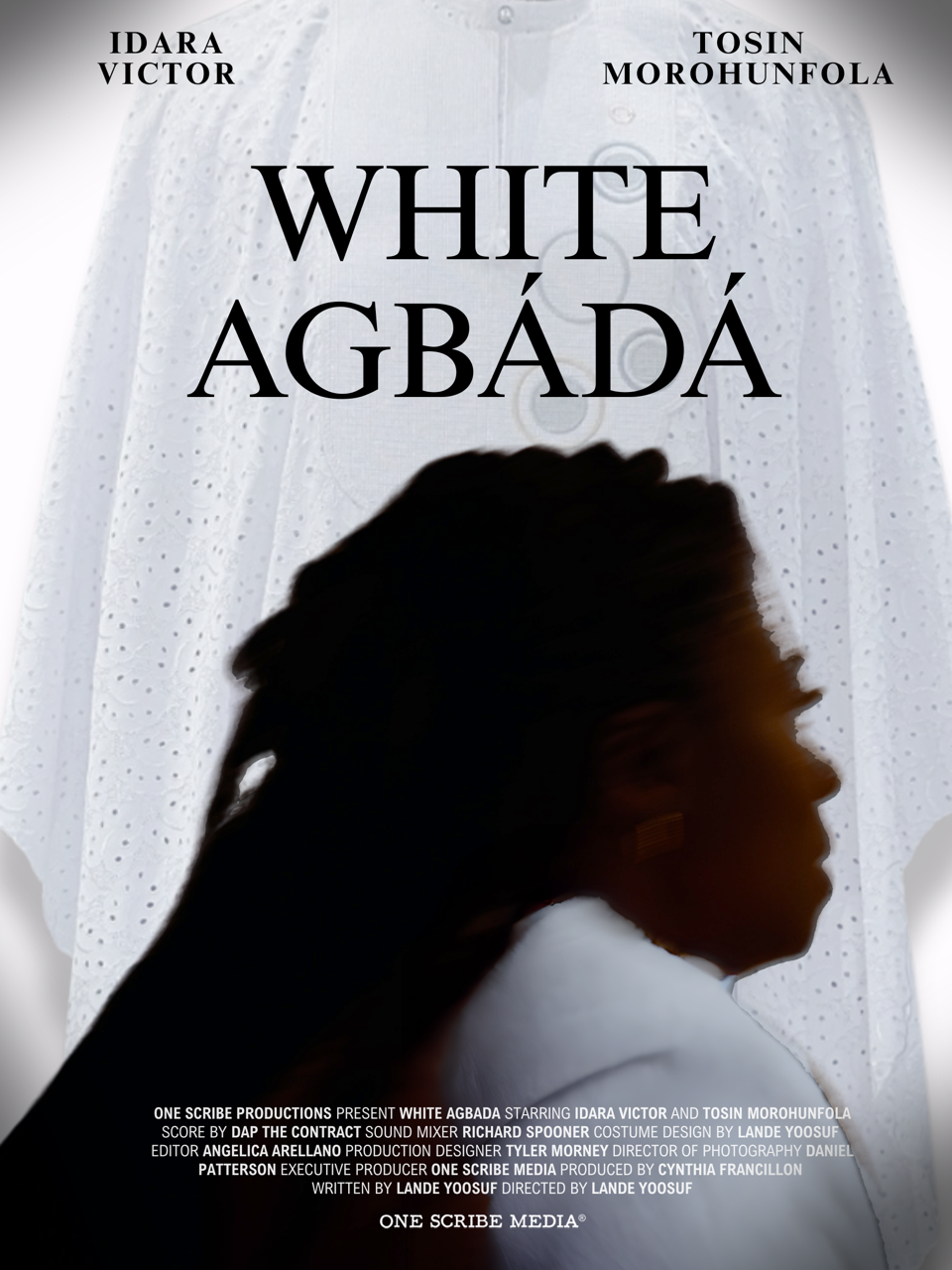
White Agbada (2025)
‘White Agbada’ feels like the crown jewel of this approach. It’s a quiet, spiritual tale about Ibironke, a woman battling the heavy, grey fog of depression in the middle of New York. She’s resisting a trip back to Nigeria, clinging to her life in the West, until supernatural forces begin to nudge her subtly. These aren’t horror-movie jumpscares as you would expect from something that has to do with African Spirituality. This woman receives reminders of an ancestral lineage she’s been trying to ignore.
What makes this film so striking is its restraint. It doesn’t rely on flashy special effects or over-the-top spectacle. Instead, Lande Yoosuf uses silence, subtle encounters, and a thick sense of emotional realism. She explores the immigrant struggle of balancing assimilation with heritage in a way that feels incredibly modern. Her choice to center a woman’s healing through ancestral connection is both intimate and radical. As a writer and director, Lande Yoosuf hands us the truth we might not be expecting. Yoruba spirituality and African spirituality in general isn’t “spooky” or “exotic”; they’re a practical, everyday tool for self-love and cultural identity and the tenets of our traditional ideals.
What truly makes ‘White Agbada’ stand out is its “diasporic accessibility.” She situates this story about Yoruba ancestral veneration right in the heart of Flatbush, Brooklyn. By grounding the supernatural in a familiar urban setting of streets that are typically the backdrop for an immigrant still fighting with assimilation.
This resonance is backed by the numbers. The Nigerian diaspora is one of the most educated and economically active groups in the United States, with over 400,000 Nigerian-born residents and nearly 1 million people of Nigerian ancestry living in the U.S. as of recent census estimates. And there are many more others of African ancestry. This community is hungry for stories that reflect their dual reality. The never-ending chase for the American dream and the eternal connection to the ancestral home.
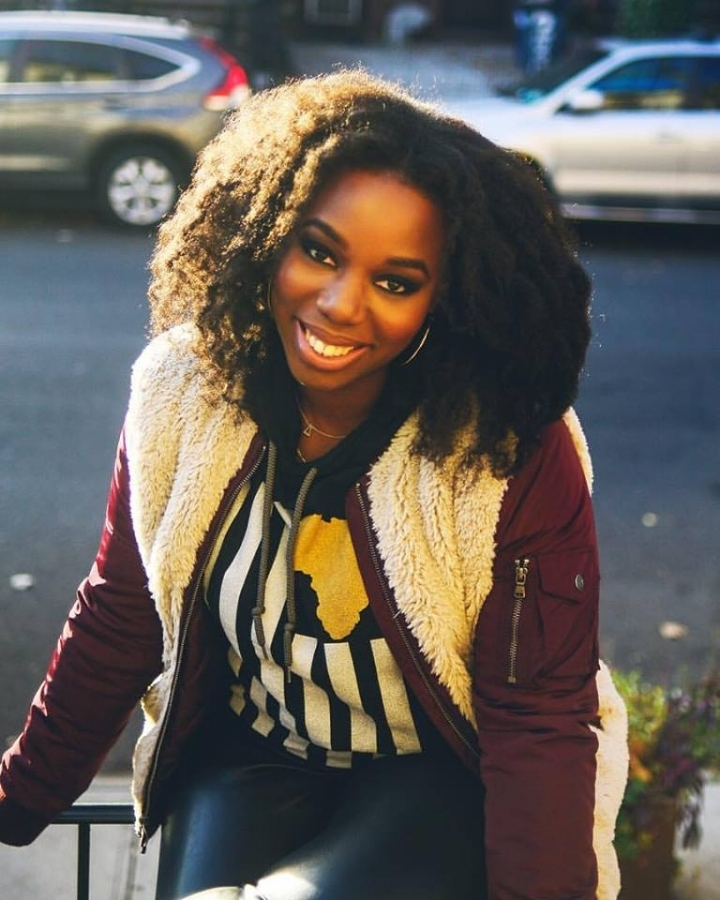
Lande Yoosuf
The short’s 12-minute runtime leaves viewers wanting more, which is by design. Lande Yoosuf has already hinted at a feature-length expansion where Ibironke discovers that her casual lover is actually a vessel for her great-grandfather. It’s a bold, provocative narrative twist that pushes the boundaries of intimacy and lineage. It’s exactly the kind of “what if?” storytelling that defines this new wave.
But, Lande Yoosuf isn’t just interested in her own credits; she’s building the table she’s sitting at. She co-founded Black Film Space, a nonprofit dedicated to improving the careers of Black filmmakers.
The impact here is concrete. The organisation has connected over 40,000 creatives worldwide, providing a pipeline for mentorship, grants, and networking. In an industry where Black directors still face significant hurdles, statistics show that while Black audiences make up about 15-20% of frequent moviegoers, Black creatives often hold less than 10% of top writing and directing roles. Clearly, she is on a bigger mission to change that, and her leadership is an act of defiance against the system that exists not exactly in plain sight. She is creating a world where the next “Lande Yoosuf” doesn’t have to fight quite so hard to be heard.
Lande Yoosuf is doing this across several media. Her novel ‘Ko-Foe‘, inspired by her short story ‘Second Generation Wedding‘, proves she’s just as comfortable with the written word as she is with a camera. This cross-medium approach, moving between film and fiction, shows a commitment to exploring the Nigerian-American experience from every possible angle.
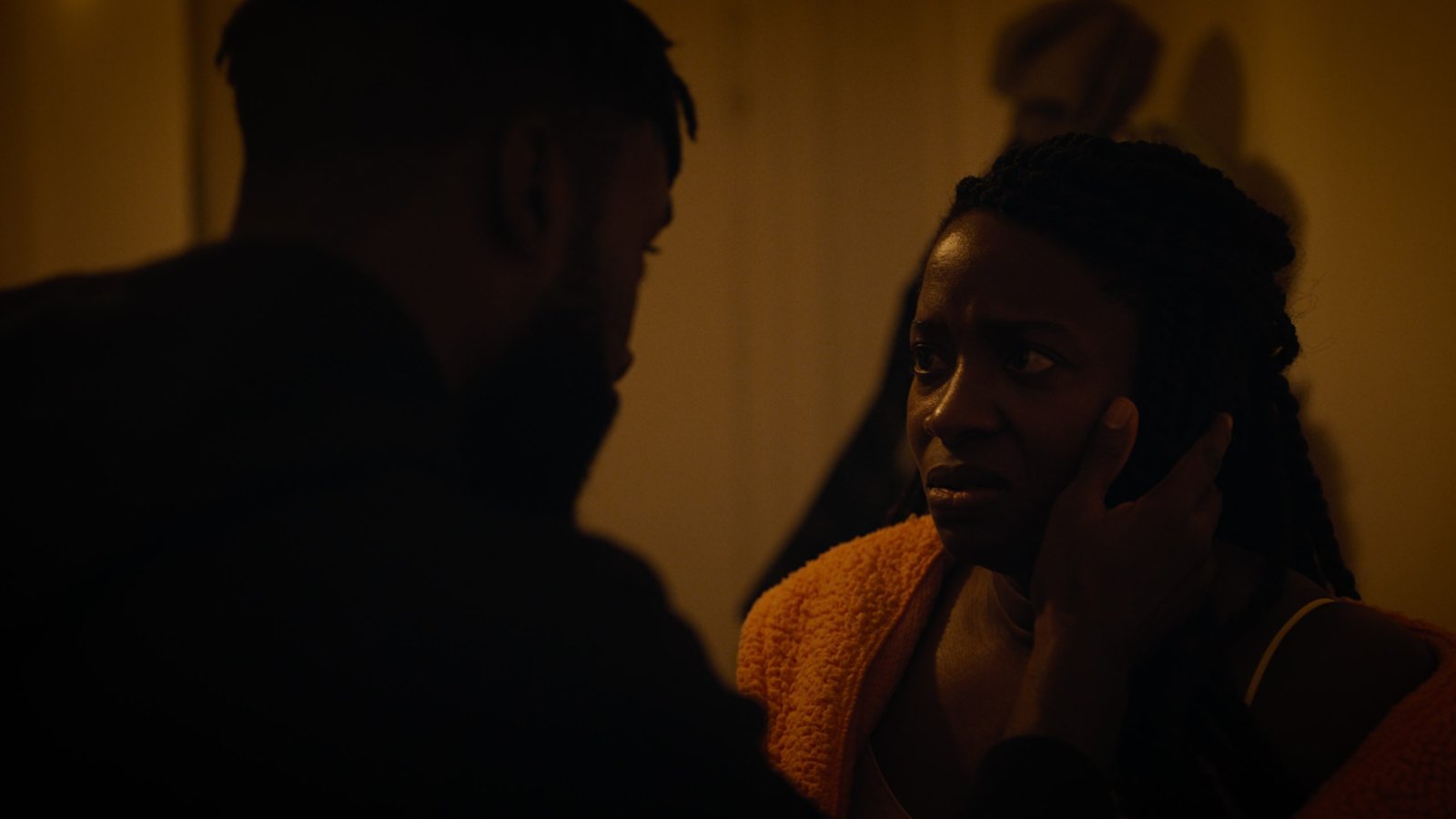
White Agabda (2025)
Her earlier works, like ‘Privilege Unhinged and Love in Submission’, also reflect her long-standing interest in how race, gender, and media influence our perceptions of ourselves. And all these works together, her body of work asks a consistent, haunting question, How do identity and heritage shape our choices, and how can we use stories to reclaim what we’ve lost?
Lande Yoosuf is in good company. She is part of a formidable movement of Nigerian diasporic filmmakers. Names like Chinonye Chukwu (Till), Ekwa Msangi (Farewell Amor), and Jenn Nkiru (Rebirth is Necessary). These women are using genre to explore identity, spirituality, and the interior lives of Black women. What sets Lande Yoosuf apart, however, is her insistence on the “quiet.” In a world that demands Black stories be loud, traumatic, or hyper-energetic, she chooses introspection. Her work resonates because it taps into universal themes like depression, the longing for connection, and the fear of not being “enough”, all the while still remaining fiercely rooted in the specificity of Yoruba culture.
Lande Yoosuf represents the perfect intersection of art, activism, and ancestry. With White Agbada, she isn’t just telling a story about one woman’s spiritual awakening; she’s inviting all of us to reconsider our own lineages and the quiet battles we fight in the dark. She is a lighthouse for the new wave. She is proving that genre storytelling, whether it involves spirits, drama, or speculative futures, is the most powerful vessel we have for carrying our narratives across borders. And for all of us Africans, like the protagonist in her film, these spirits are calling us to stop and listen.